The brief for this article contains no robot model, company name, price, date, or test result. That leaves one useful question: when a robot becomes more entertaining, does it also become more useful?
- Entertainment can draw people toward robotics, but it doesn't prove a robot can work safely.
- A good demo needs a clear task, repeatable results, and limits you can see.
- The missing facts are part of the story: no price or test means no buying advice yet.
What “entertaining” means in robotics
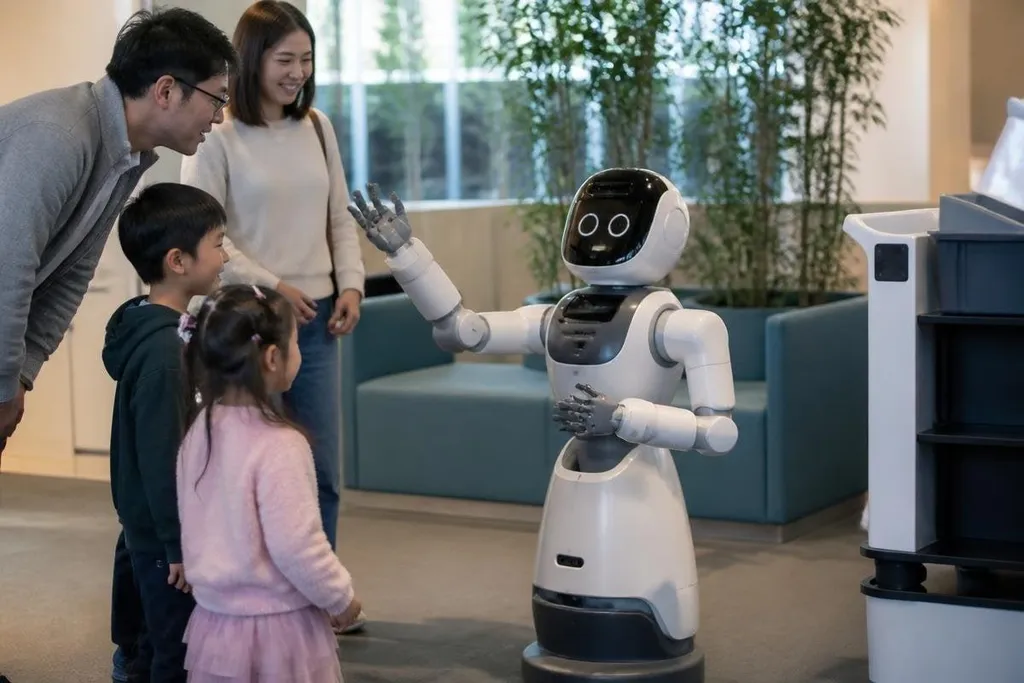
An entertaining robot may move in a way people enjoy, respond to speech, play music, tell jokes, or perform a task with timing that holds attention. Those features can help a public audience understand a robot faster than a page of specifications.
The same features can also hide the useful question. A robot that waves on command has shown that it can wave on command. That says little about its battery life, safety system, repair needs, or ability to repeat the task for several hours.
Entertainment has a place in robotics. It can bring people to a museum display, a classroom, a trade show, or a product demonstration. The next step is to show what happens after the audience stops watching.
When people remember a robot, it may get more time in front of buyers, students, or investors. That can help a company explain a new machine, collect feedback, or make a technical product easier to discuss.
The risk comes when attention becomes the measure of progress. A short clip can show a polished motion while leaving out setup time, remote control, failed attempts, staff behind the camera, and the conditions needed for the result.
A robot that earns attention still needs a record of what happened off camera. Robot24.com can connect a demo with the people, conditions, and result behind it. That keeps a polished clip from carrying more weight than the machine has earned.
A useful report should name the robot, explain the task, state who ran it, and show the result in enough detail for someone else to judge it. Without those facts, the viewer is judging a performance rather than a working system.
The technical test behind the show
The test changes with the job. For a stage robot, quiet motors, safe movement, and fast setup may matter most. A warehouse robot needs repeatable motion, obstacle detection, battery planning, and a clear way to stop.
A social robot may need speech recognition and cameras. Those parts can fail when people speak at the same time, lighting changes, or a person moves outside the expected position. A smooth response in a controlled room doesn't tell you how the robot handles noise.
The useful details are practical:
- Task time: how long the robot works before a charge or reset.
- Control method: whether the robot acts on its own, follows a script, or receives remote commands.
- Repeat rate: how often it completes the same task without help.
- Safety response: what happens when a person blocks its path or touches the work area.
- Service load: how much setup, cleaning, calibration, and repair the operator must handle.
Each point changes the value of the machine. A robot that needs a technician beside it for every performance may still suit a stage, but it won't suit a site that needs unattended operation.
What remains unproven
With no evidence pack for this topic, claims about a global race, leading companies, market growth, or public demand would go beyond the available facts.
The safe reading is narrower: robot makers may want machines that hold attention, but the supplied material does not show how many firms are doing this or which designs work best.
That gap should shape how you read the next demo. A longer video helps, but it still needs a task description and operating details. A crowd reaction shows interest, not reliability. A polished voice does not show that the speech system works in a noisy room.
I’d judge an entertaining robot by what it can repeat after the applause ends.
A buyer’s check before the next demo
Use these checks before treating a performance as proof:
- Ask for the robot’s model and the exact task shown.
- Check if a person controls any part of the motion.
- Look for run time, charge time, and reset steps.
- Ask how the robot reacts to blocked paths or unexpected contact.
- Find the price, service plan, and parts support.
- Separate a public demonstration from a paid deployment.
The next useful evidence is easy to name: a robot model, a dated test, a price, and a repeatable task. Until those details appear, entertainment may win attention, but it cannot yet show that the robot is ready for work.