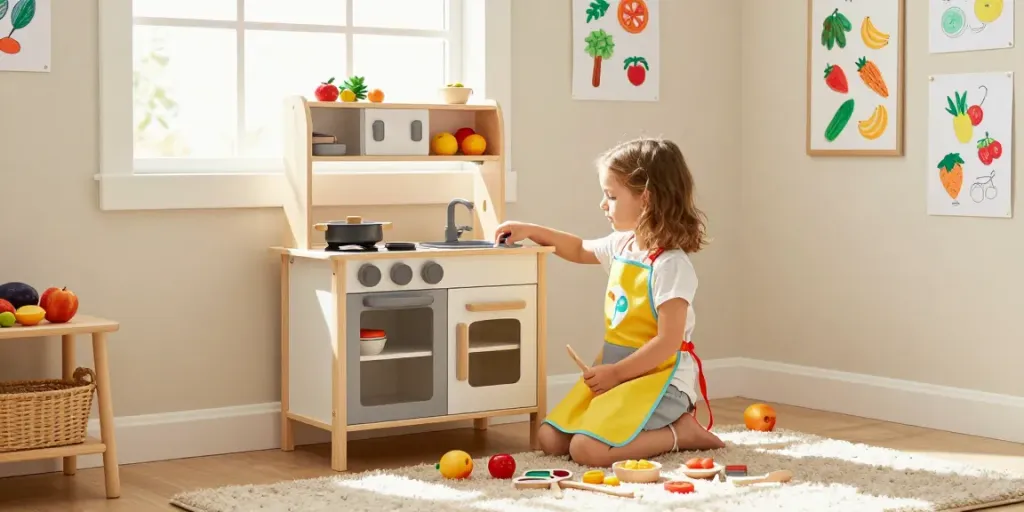
Understanding the Benefits of Toy Kitchens
Toy kitchens have become a staple in the world of childhood play, serving as much more than just a source of entertainment. These imaginative playsets foster numerous developmental benefits that contribute to a child's growth and learning. The appeal of a toy kitchen lies in its ability to mimic real-life cooking experiences, enabling children to engage in role-playing scenarios that enhance various skills.
What Skills Do Children Gain from Play?
Play kitchens help cultivate fine motor skills as children manipulate utensils and food items, reinforcing their hand-eye coordination. Furthermore, these sets promote problem-solving abilities when children engage in pretend cooking tasks, such as figuring out how to make their favourite meals. Additionally, children learn about measurement and quantities through the use of different play food items.
The Role of Imaginative Play in Child Development
Imaginative play is crucial for children's development, allowing them to express their creativity and explore different roles. Through their toy kitchens, children can assume the role of a chef or a parent, which boosts their confidence and self-esteem. This form of play is essential for cognitive development as it encourages children to think critically and develop narratives while engaging with their environment.
How Toy Kitchens Foster Social Interactions
Toy kitchens are perfect tools for promoting social interaction among peers. When children play together, they learn valuable social skills such as cooperation, sharing, and communication. These interactions also provide opportunities for children to understand social dynamics and resolve conflicts, laying the groundwork for future relationships.
Choosing the Right Toy Kitchen for Your Child
When selecting the perfect toy kitchen, it's important to consider several factors to ensure that you choose a product that will engage your child effectively. Parents should look for kitchens that not only offer aesthetic appeal but also functional features that align with their child's developmental stage.
Key Features to Look For in a Toy Kitchen
- Size and Space: Ensure that the kitchen fits comfortably in your home while still providing ample play space for your child.
- Realistic Features: Look for kitchens that include realistic elements such as knobs, lights, and sounds to enhance play.
- Accessories: Choose a kitchen set that comes with a variety of accessories to encourage more imaginative play.
- Age Appropriateness: Make sure the kitchen is suitable for your child's age and skill level to avoid frustration during play.
Materials and Safety Considerations for Play Kitchens
Safety is paramount when it comes to children's toys. Opt for kitchens made from high-quality, non-toxic materials that comply with safety standards. Wooden kitchens are often preferred for their durability and eco-friendliness, whereas plastic kitchens may offer vibrant colours and features. Always check for sharp edges or small parts that could pose a risk to younger children.
Balance Between Size and Functionality
A toy kitchen should not only fit within your designated play area, but it should also be functional. Consider whether your child will be playing alone or with others, as this can impact the kitchen size and design you choose. Kitchens that are too small may limit imaginative play, while oversized kitchens may be daunting for young children to navigate.
Popular Trends in Toy Kitchens for 2026
The world of toy kitchens is ever-evolving, with new designs and features emerging to meet children's needs and preferences. As parents become increasingly aware of their children's developmental needs, they seek out kitchens that reflect modern trends.
Innovative Designs and Features of Modern Toy Kitchens
Contemporary toy kitchens often come equipped with advanced features such as interactive touch panels, electronic sounds, and light-up elements that create a more immersive play experience. Many brands are now offering themed kitchens, such as those inspired by popular cooking shows or cuisines, which can enhance the imaginative aspect of play.
Eco-Friendly Options: Sustainable Materials in Toy Kitchens
As sustainability becomes an essential aspect for many consumers, eco-friendly toy kitchens are gaining popularity. Manufacturers are increasingly using recycled materials or sustainably sourced wood, allowing parents to make responsible purchasing decisions without compromising on quality or play value.
The Impact of Technology on Toy Kitchen Play
Incorporating technology into toy kitchens not only modernises the play experience but also teaches children about technological advancements. Some kitchens now feature apps that guide children through cooking activities, merging digital learning with physical play. This blend of traditional and modern play can keep children engaged and excited.
Top Brands Offering Toy Kitchens
As the market for toy kitchens expands, several brands have distinguished themselves with quality products that resonate with both children and parents. Understanding the strengths and weaknesses of these brands can help in making an informed choice.
A Comparative Look at Leading Toy Kitchen Brands
Brands such as Melissa & Doug and Little Tikes have long been favourites among parents due to their commitment to safety and quality. However, newer brands like Tiny Land are proving competitive with their innovative, beautifully crafted wooden kitchens that focus on imaginative play.
Price Ranges and Quality Considerations
Toy kitchens can vary greatly in price, typically ranging from £50 to over £200 depending on materials and features. While it may be tempting to go for cheaper options, investing in quality kitchens often pays off in terms of durability and playtime longevity. Weighing the cost against the potential benefits is critical when deciding.
Customer Reviews: What Parents are Saying
Customer reviews can offer invaluable insights into the actual usability and durability of toy kitchens. Parents often share their experiences regarding assembly, safety, and how well their children engage with the toy over time. Researching these testimonials can help guide your purchase, giving you a well-rounded view of different options.
Maintaining and Enhancing the Play Kitchen Experience
To keep the play kitchen experience enjoyable and productive, regular maintenance and creative engagement are key. Here are a few tips to ensure your child's toy kitchen remains a source of joy and learning.
Creative Play Kitchen Activities for Kids
Encourage your child to develop new cooking recipes or set up themed dinner nights with family. Engaging in role-playing scenarios, such as hosting a restaurant service, can significantly enhance their imaginative play. Incorporating educational aspects, such as counting ingredients or understanding measurements, can seamlessly blend learning with fun.
How to Organise and Maintain the Toy Kitchen
To maintain the kitchen, regular cleaning and organisation are essential. Involve your child in tidying up after playtime, teaching them about responsibility and care for their belongings. Ensure that all items are safely stored, and use labels to help children identify different components.
Integrating Educational Concepts into Play
Using the toy kitchen as an educational tool can enrich your child's play experience. Introduce basic math concepts by having them count the number of plates or cups used in serving, or discuss the food groups to promote healthy eating habits. Such integrations foster empathy and a better understanding of the world around them.
What are the best toy kitchens for toddlers?
When determining the best toy kitchens for toddlers, consider options that are age-appropriate, featuring smaller utensils and rounded edges to ensure safety.
How can a toy kitchen promote teamwork among kids?
A toy kitchen provides an excellent opportunity for collaborative play, where children can work together to prepare meals, fostering teamwork and communication skills.
Where to find eco-friendly toy kitchen options?
Many retailers now offer eco-friendly toy kitchens made from sustainable materials; researching brands focused on environmental responsibility can lead you to the right choice.
How to encourage imaginative play with a toy kitchen?
Encouraging imaginative play can be as simple as setting the scene with props or involving family in play. The more you interact, the more creative the play becomes.
What safety features should I consider for toy kitchens?
When shopping for a toy kitchen, look for products that are made from non-toxic materials, have rounded edges, and are designed to prevent small parts from causing choking hazards.